01
Sewage Cleanup & Removal
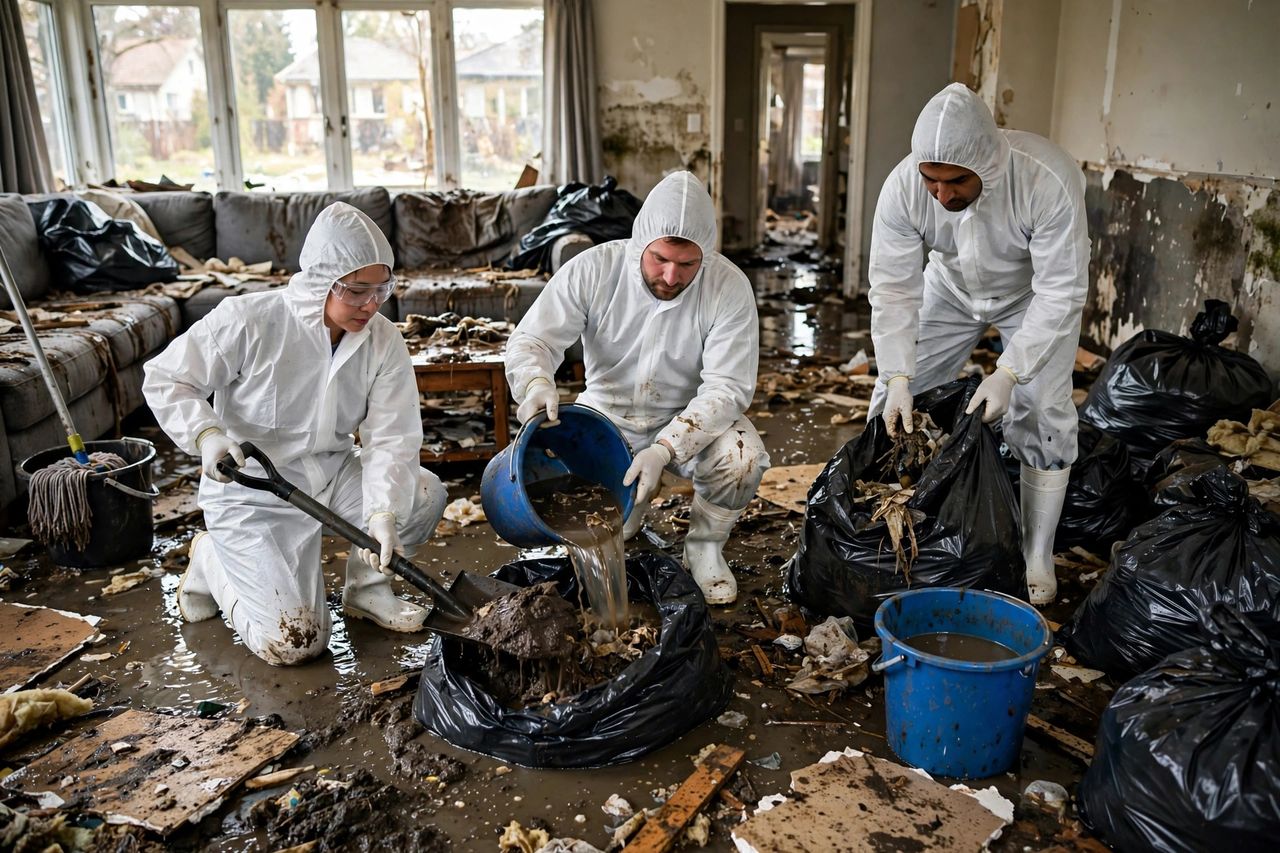
Full cleanup after a sewage backup — standing wastewater extracted, contaminated debris and damaged materials removed, then affected surfaces cleaned and sanitized.
View service details →Sewage backing up into your Schertz home or business? We handle the full cleanup — wastewater extraction, contaminated material removal, sanitizing, odor control, structural drying, and getting rooms restored.
What is sewage backup cleanup in Schertz? It is the step-by-step process of getting wastewater out of a property and making the space safe again: finding the source, extracting standing sewage, removing contaminated materials, cleaning and disinfecting what can be saved, drying everything thoroughly, and dealing with odor. A sewage backup is never just a wet floor — the contamination level, what the water touched, and hidden moisture decide the real scope.
Find the problem you are facing in the list below, then open the service page that matches it. Each page explains what that cleanup covers and what to discuss when you call.
Full cleanup after a sewage backup — standing wastewater extracted, contaminated debris and damaged materials removed, then affected surfaces cleaned and sanitized.
View service details →
Repairing what sewage damaged: flooring, drywall, baseboards, and cabinets assessed, unsalvageable materials removed, and rooms put back together.
View service details →
For active backups and overflows that cannot wait — fast containment of the affected area so contamination does not spread further through the property.
View service details →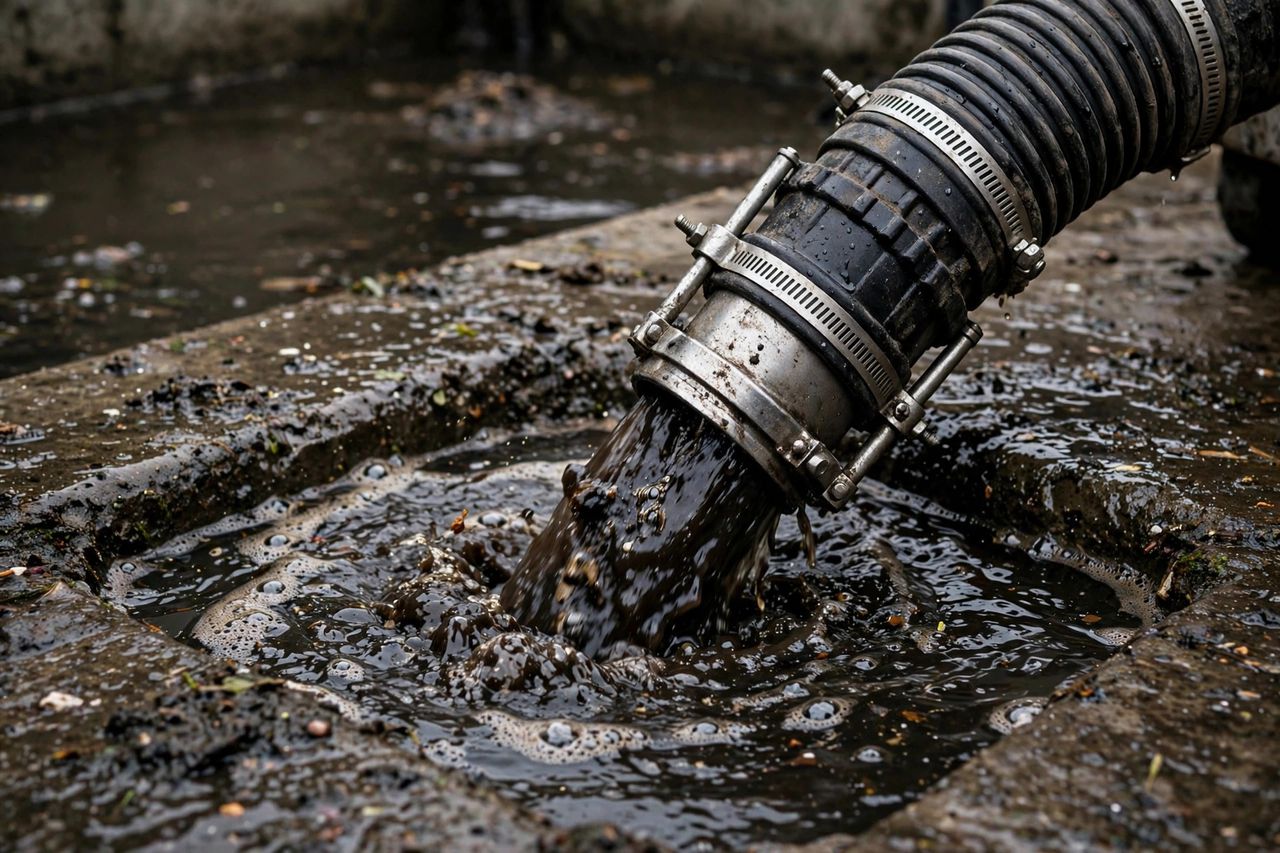
Safe removal of untreated sewage with professional extraction equipment and proper containment, before any cleaning or sanitizing begins.
View service details →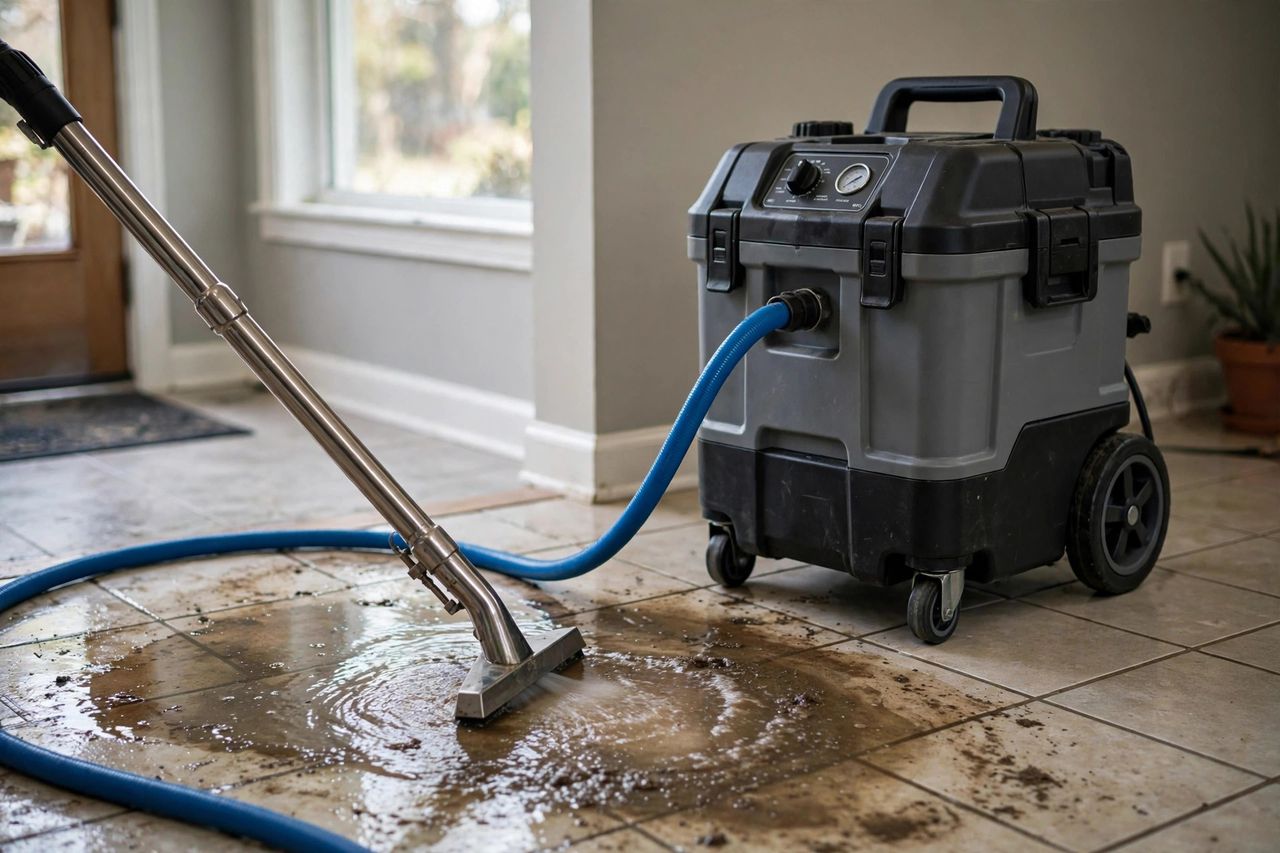
Industrial pumps and extraction units pull standing contaminated water off floors, then moisture checks reveal what soaked in underneath.
View service details →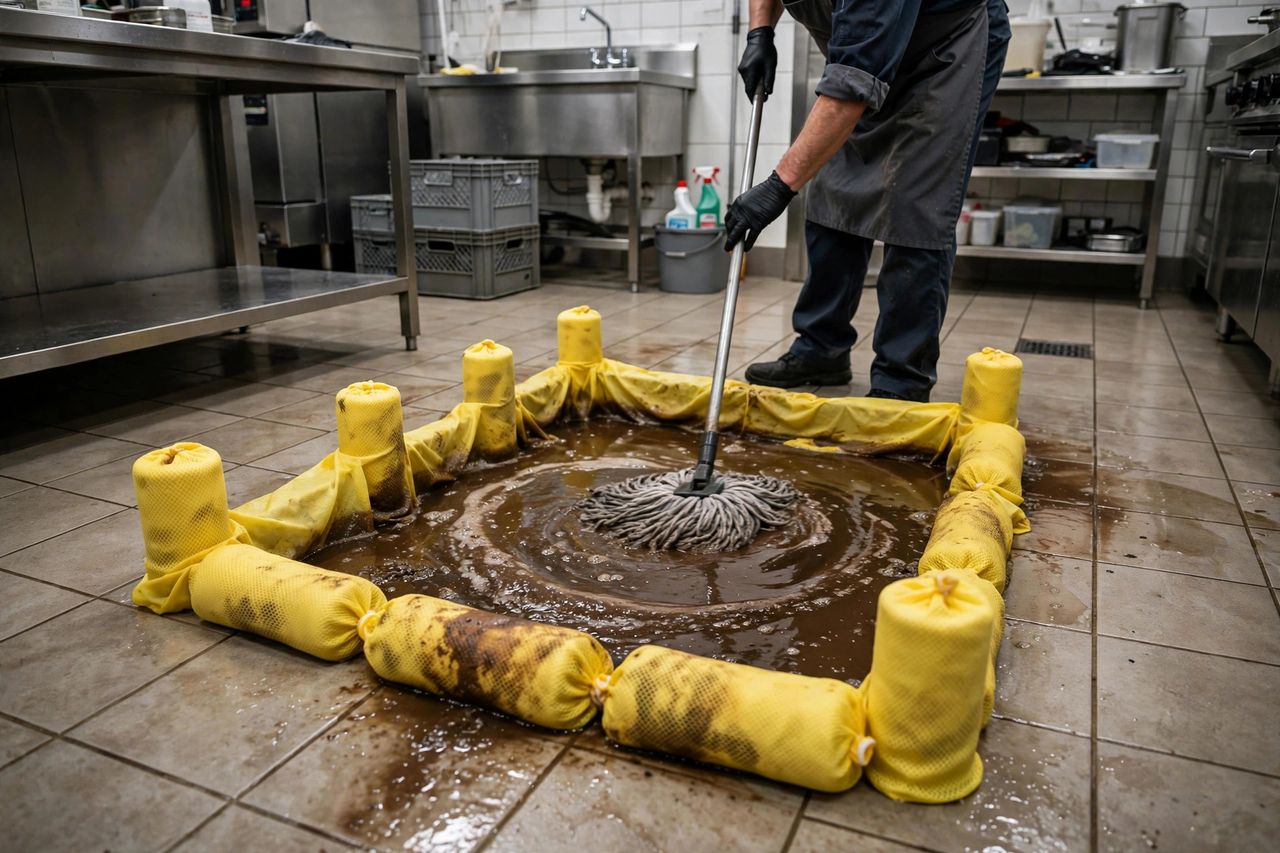
For contained spills — a backed-up floor drain, an overflowing fixture — traced across their full spread, then cleaned and sanitized so nothing lingers.
View service details →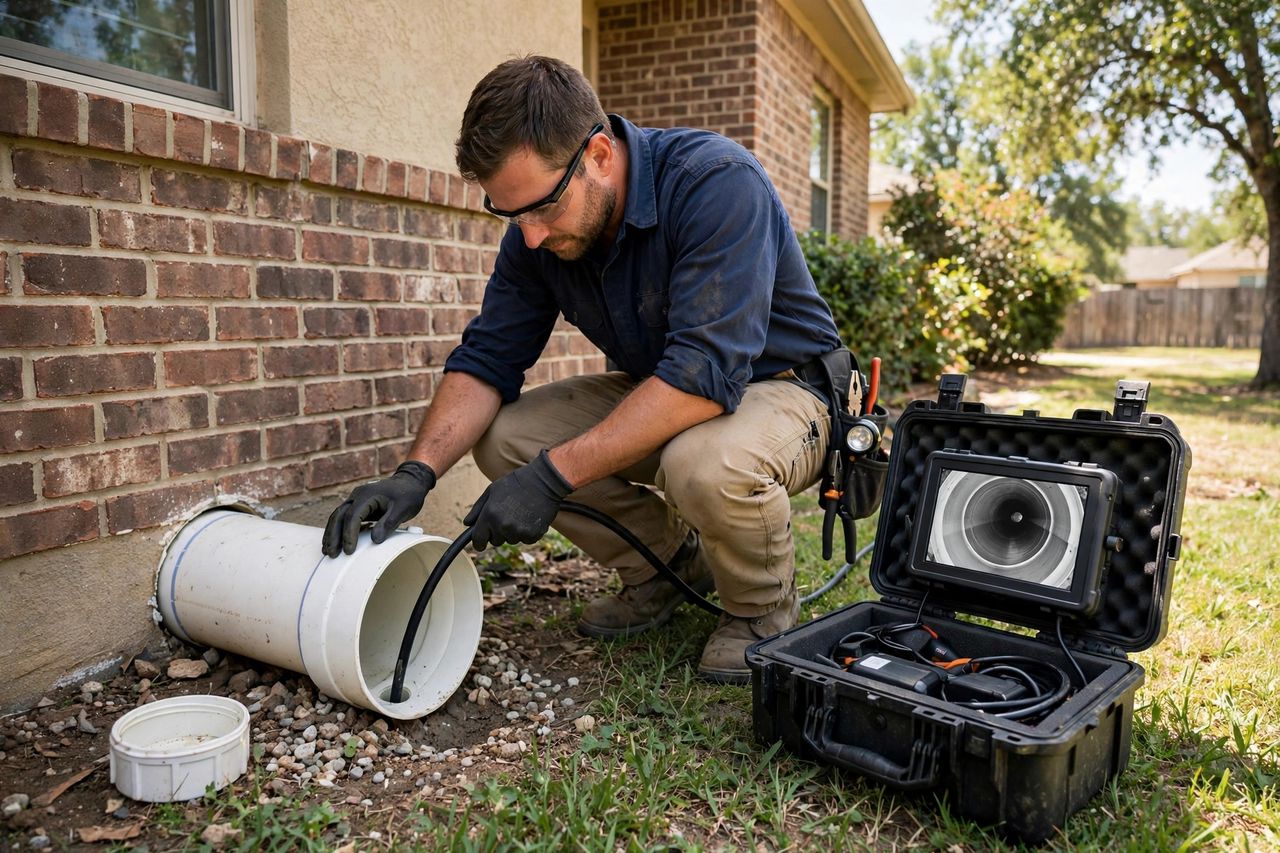
When a blocked or damaged sewer lateral pushes wastewater back through drains and toilets, the full contamination path is mapped and cleaned.
View service details →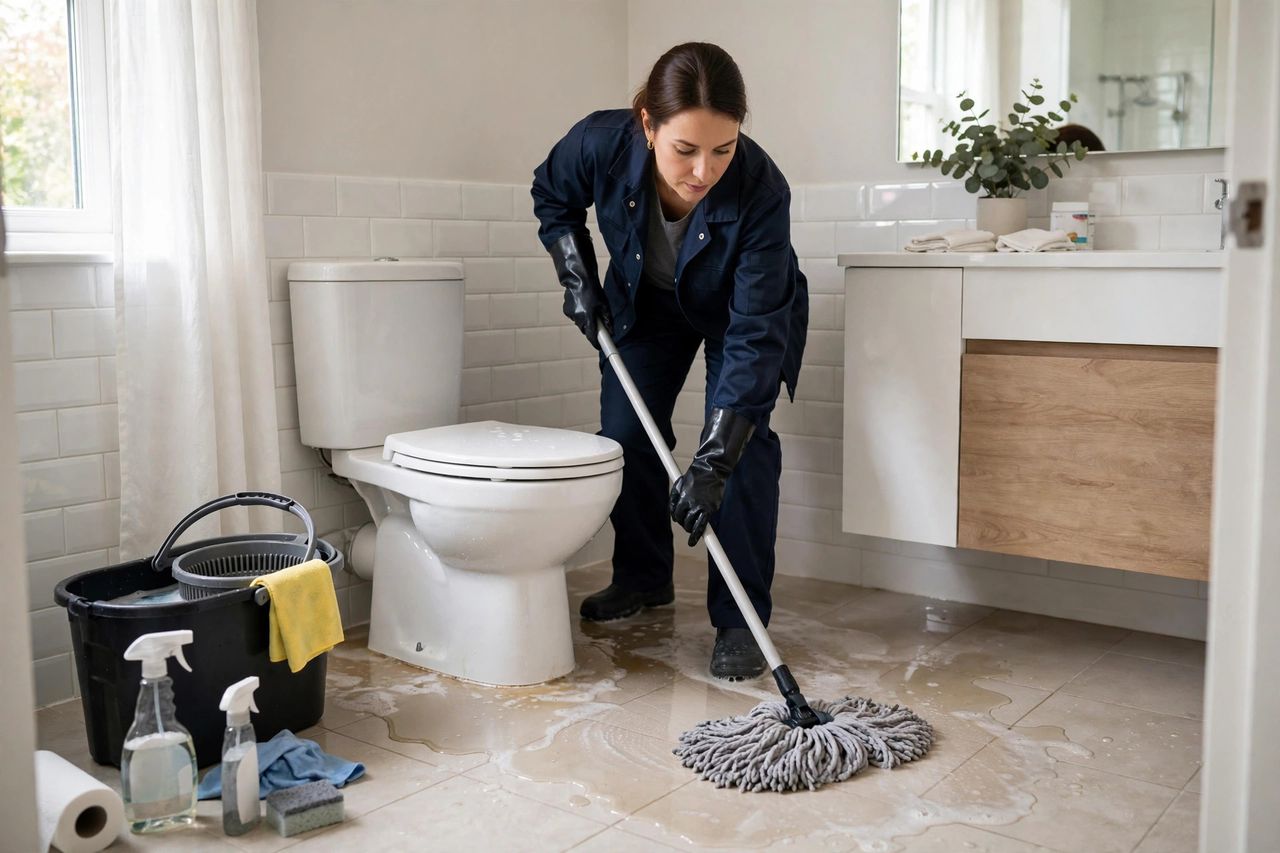
Overflows soak into grout, baseboards, and subfloor fast. Targeted bathroom cleanup — extraction, sanitizing, and moisture checks in tight spaces.
View service details →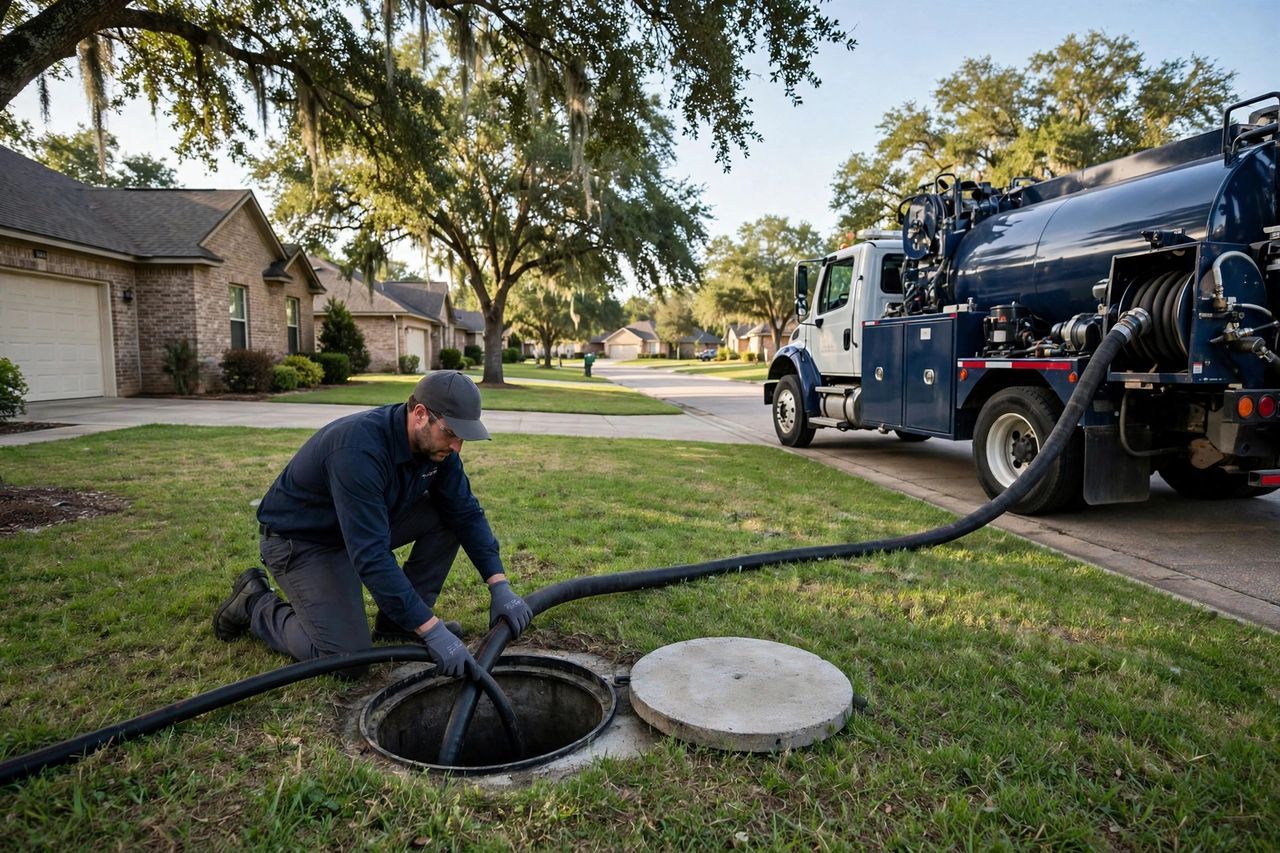
When a septic system backs up into the home — often a full tank or drain-field problem — indoor contamination is cleaned while the septic fault gets diagnosed.
View service details →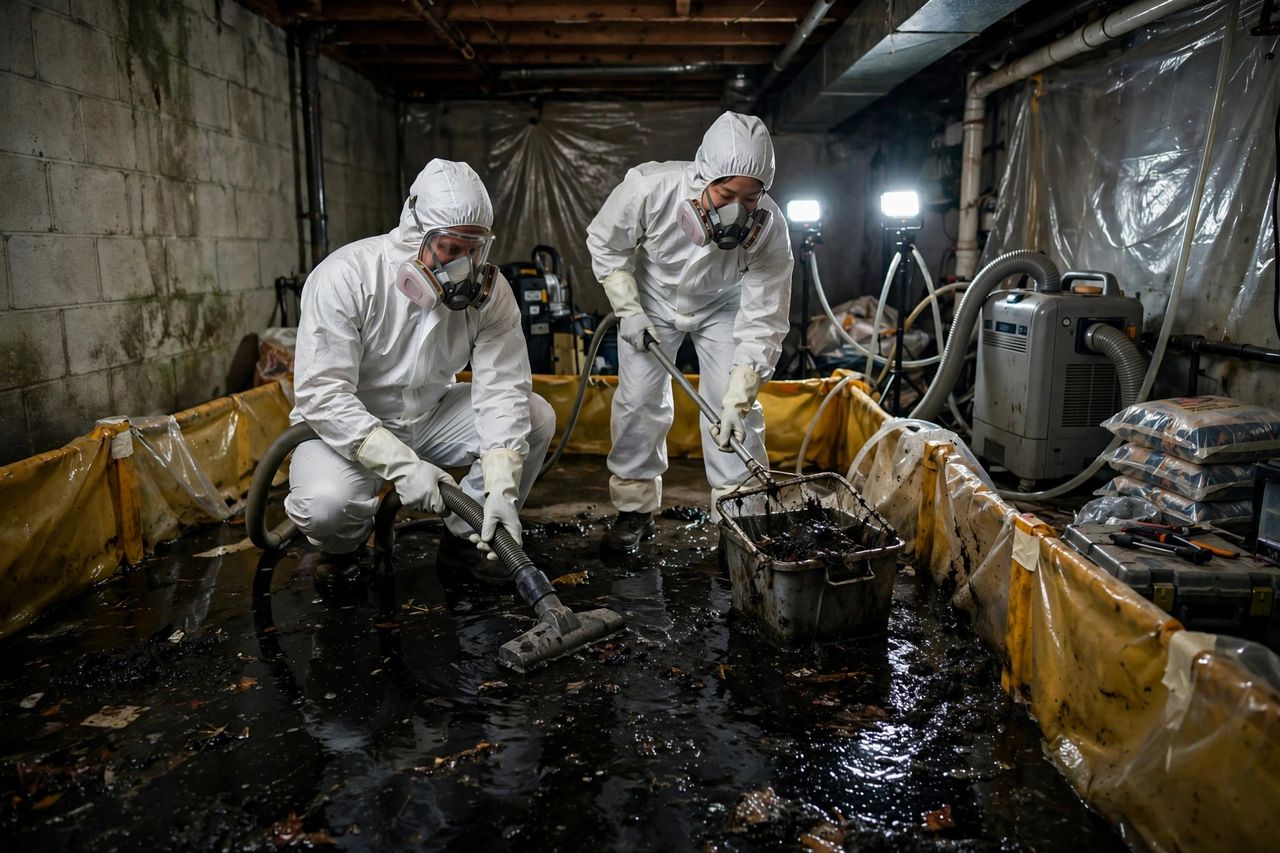
Black water (Category 3) carries the highest contamination risk. Porous materials usually cannot be saved; everything is handled under strict contamination control.
View service details →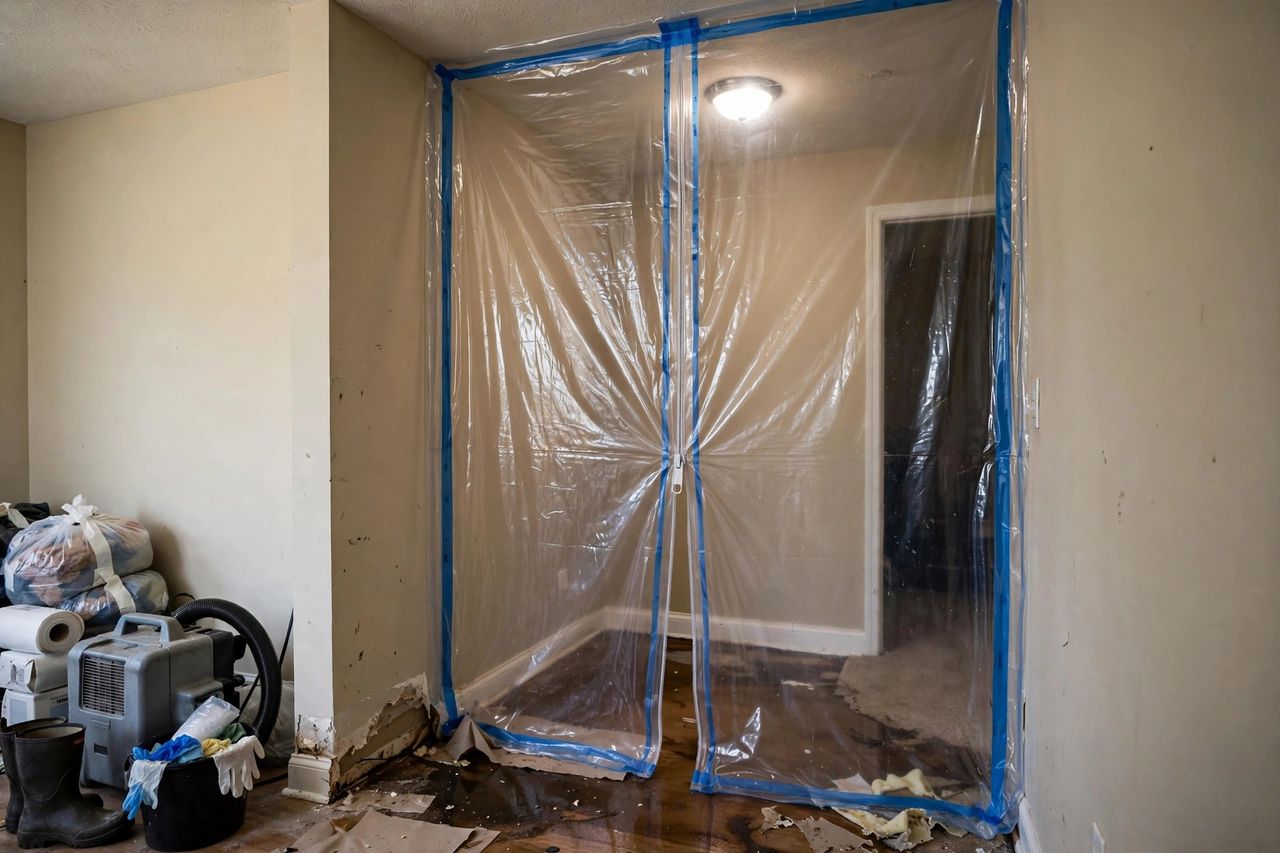
Grossly contaminated water demands a different playbook: full containment, protective equipment, and removal of anything porous the water touched.
View service details →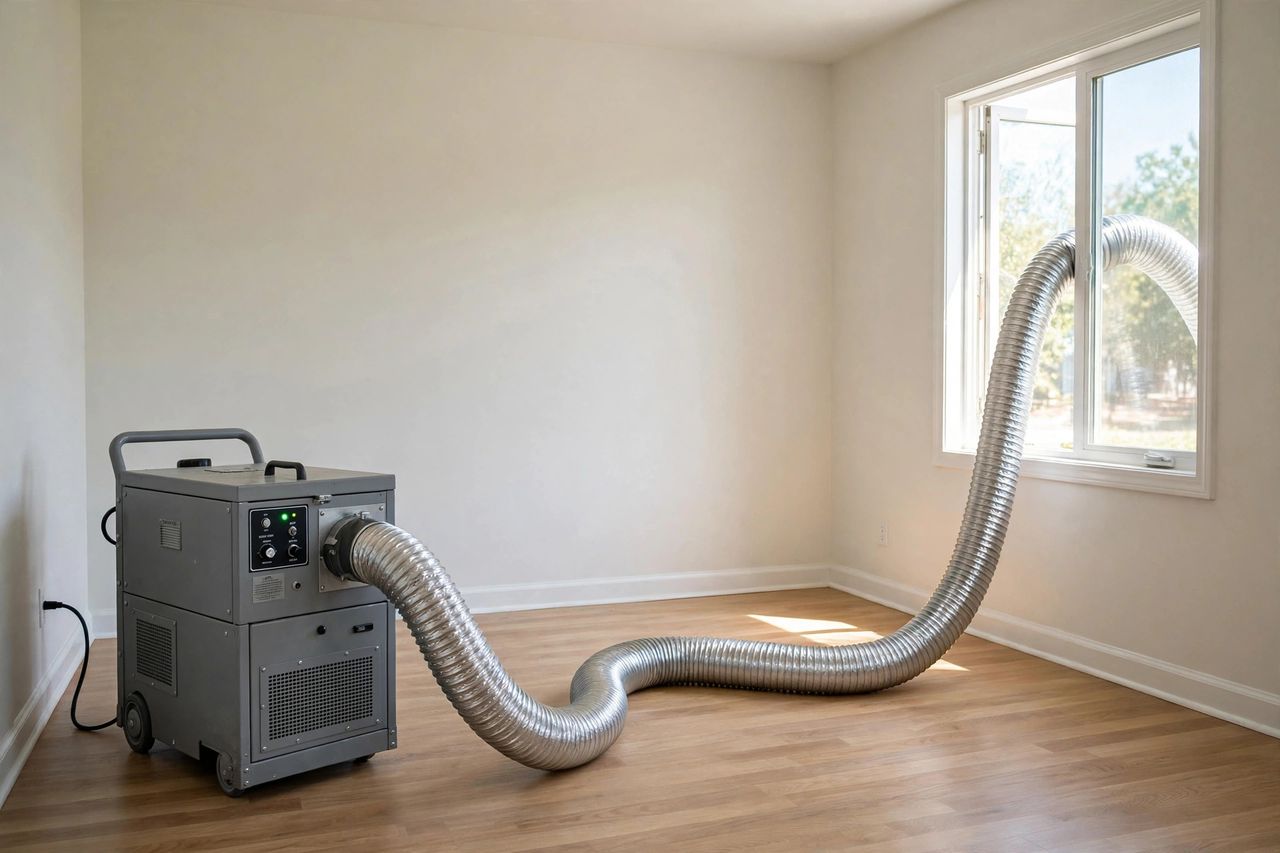
A lingering sewage smell means something was missed — trapped residue, damp drywall, a dry drain trap. We track down the source instead of masking it.
View service details →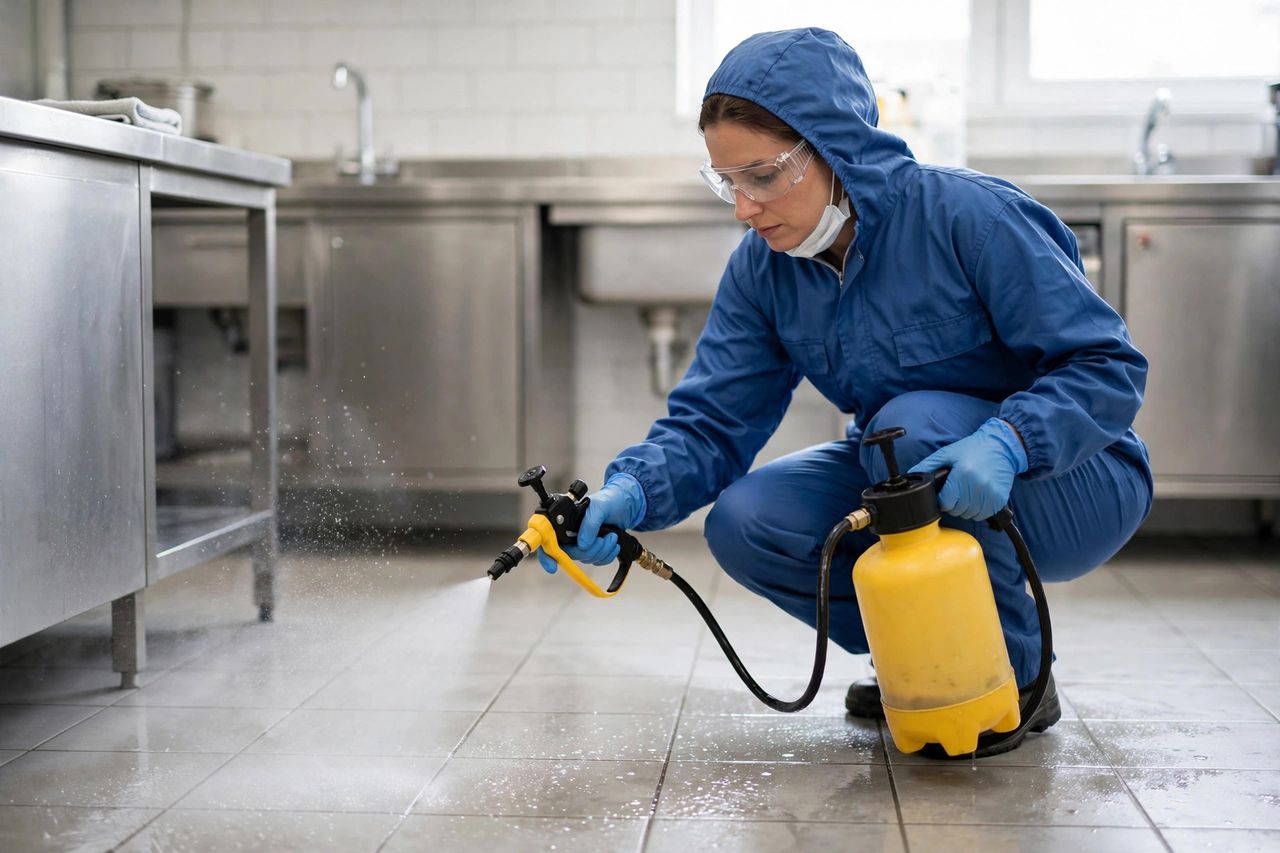
After physical cleaning, affected hard surfaces are disinfected with professional-grade products applied at the correct dwell time.
View service details →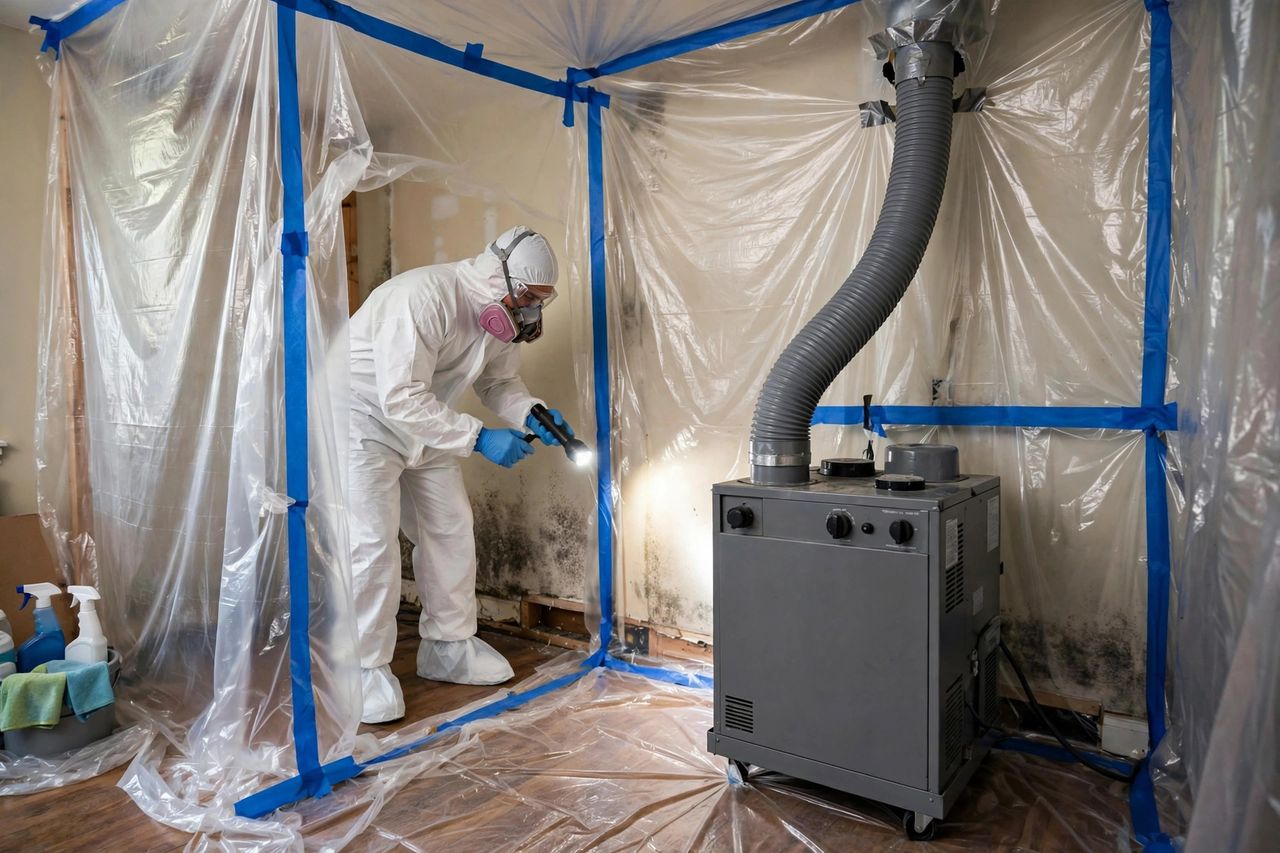
Sewage-soaked materials that stay damp grow mold. Moisture mapping, containment, and removal stop it from spreading through the property.
View service details →Schertz, TX 78154 is home base — most cleanup calls come from Schertz neighborhoods, from established streets to newer subdivisions along the IH-35 corridor. The same wastewater problems show up across the area: sewer laterals clogged by tree roots or grease, septic backups on larger lots, and floor-drain overflows in laundry rooms and garages. Nearby communities — Cibolo, Selma, Live Oak, Universal City, Randolph AFB, and northeast San Antonio — each have a dedicated area page with local context, and Schertz neighborhoods have their own pages too. In Schertz? Describe the backup and where the wastewater appeared. Just outside town? Check the area pages, then call to confirm coverage for your property.
A sewage backup can affect flooring, wall finishes, stored belongings, and areas that are not immediately visible. The most useful first step is to identify where the wastewater came from, what it touched, and whether the source is still active. From there, cleanup can be scoped around removal, cleaning, sanitation, moisture assessment, and any required repairs.
No drain-cleaning upsells, no generic plumbing. Just sewage backup cleanup: wastewater extraction, contaminated material removal, sanitizing, structural drying, odor removal, and mold remediation after sewage events.
Every job starts with the source — toilet, floor drain, sewer lateral, septic tank — then traces where the water traveled: under flooring, behind baseboards, into drywall and subfloor. Moisture meters find what eyes miss, so the plan covers the real damage.
You will know what can be cleaned, what should be removed, and when a plumber, septic professional, or the wastewater utility needs to be involved too. Then one call connects you to cleanup help.
The questions below address the decisions that matter after a backup: immediate safety, contamination, affected materials, lingering odor, and the difference between cleanup and plumbing repair. Use the service links to move from a general answer to the service that matches the conditions at your property.
For more detail on any of these topics, open the related service page — each one explains the scope, the materials that can be affected, and the next step for that specific situation.
The City of Schertz wastewater information explains that improper disposal of fats, oils, and non-flushable items can contribute to sewer blockages and backups and identifies the Cibolo Creek Municipal Authority (CCMA) as the regional wastewater provider. Not every sewage event originates inside a building; some situations may involve a private line, a lateral, or a broader wastewater system issue.
When a backup appears to be connected to a public wastewater problem, residents should also contact the appropriate municipal or utility authority. Cleanup of the affected property and diagnosis or repair of the underlying sewer infrastructure are related but different tasks. Keeping those roles clear helps visitors understand what a cleanup service can address and when an external utility should be contacted.
For municipal wastewater information, consult the City of Schertz wastewater resources. This site does not replace official utility instructions or emergency public-safety information.
The City of Schertz publishes community and neighborhood information. This directory uses neighborhood names to help residents find relevant cleanup guidance; the actual cause and cleanup scope must still be assessed property by property. Visit the City of Schertz website
Before cleanup begins, a responsible assessment identifies where the wastewater came from, how far it spread, which materials it contacted, how long they stayed wet, and whether hidden moisture or residue remains. Ask that the assessment covers all of these — not just the visible puddle — so the scope reflects conditions at your property rather than a standard checklist.
Expect clear answers to a few practical questions: what the cleanup addresses and what it does not, which items can be safely cleaned versus replaced, what you can do yourself without risk, and when a plumber, septic professional, or utility provider also needs to be involved. This guidance helps you prepare for that conversation; it is not a substitute for an inspection of your specific property.
Yes. Sewage can contain biological contaminants and other materials that change how an affected area should be isolated, cleaned, and evaluated.
Keep people and pets away from contaminated water, address immediate safety hazards, and identify whether the source is still active. Avoid unnecessary contact.
Yes. Wastewater can reach flooring, subflooring, baseboards, drywall, cabinets, and other porous materials. The response depends on contamination, exposure, material type, and condition.
Odor can remain when residues, porous materials, hidden moisture, or contaminated contents have not been fully addressed.
Not necessarily. Mold remediation depends on moisture conditions, microbial growth, materials, and the circumstances of the event. A moisture assessment can help determine the appropriate response.
Black water is a term commonly used for grossly contaminated water, including many sewage situations. The exact classification should be evaluated based on the source and contamination.
Small incidents may seem manageable, but sewage contamination can involve hidden moisture and contaminated porous materials. For significant events, professional assessment may be appropriate.
Contact the appropriate municipal or utility authority as well as addressing any contamination on your property. The City of Schertz identifies CCMA as the regional wastewater provider for Schertz and nearby communities.
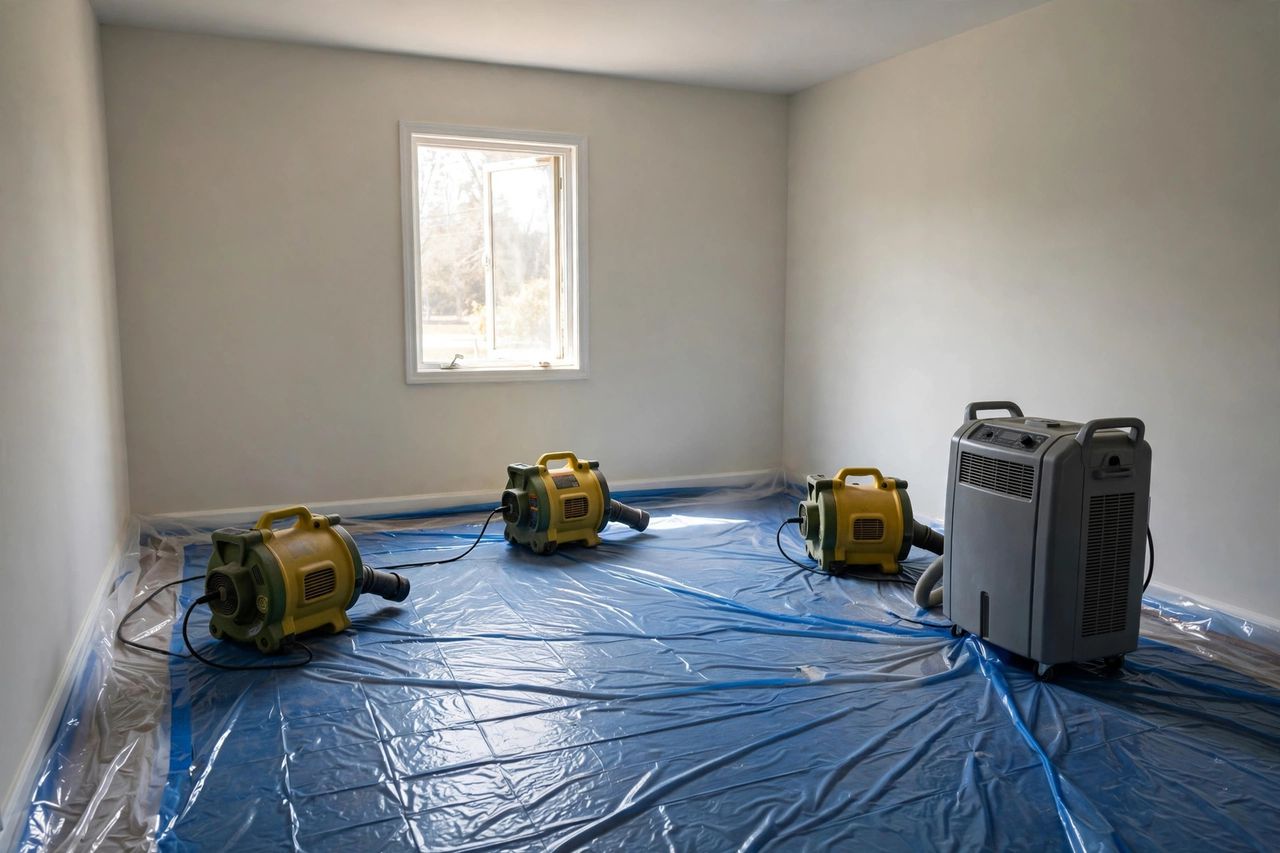 Extraction • Cleaning • Drying
When wastewater enters a property, the visible waterline is only one part of the problem. A useful cleanup plan considers where the water came from, where it traveled, what materials it contacted, how long those materials stayed wet, and whether residues or odor remain after extraction.
 Schertz • 78154 • Local Focus
A sewage backup does not check city limits, but cleanup response starts where we are based: Schertz. From there, coverage extends along the IH-35 corridor to Cibolo and Selma, toward the base communities of Live Oak, Universal City, and Randolph AFB, and into northeast San Antonio. The cleanup process is the same everywhere — find the source, extract the wastewater, clean and sanitize, dry everything, handle odor and repairs — but local wastewater context matters. The City of Schertz points residents to CCMA, the regional wastewater authority, when a problem looks like it is in the public sewer rather than a private line. Find your community below, then match what happened — sewer backup, toilet overflow, septic event, stubborn odor, hidden moisture — to the right service.
Explore Schertz, Cibolo, Live Oak, Selma, Universal City, Randolph AFB, and Northeast San Antonio, plus dedicated neighborhood pages for local navigation.
Explore Schertz Neighborhoods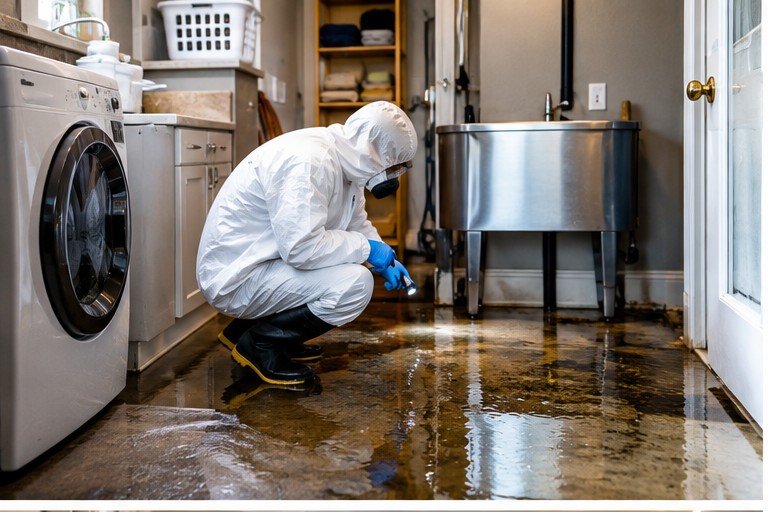 Clean • Sanitize • Restore
Anyone can pump out standing water. The difference is what happens next: tracing sewage through flooring seams, under baseboards, behind toilets and cabinets, and into wall cavities — then deciding, material by material, what can be properly cleaned and what has to go.
A sewage backup needs a response that accounts for contamination, building materials, moisture, and the cause of the event. Use this overview to understand what to discuss when calling for service.
Tell the cleanup provider whether wastewater came from a toilet, floor drain, sewer line, septic system, or an unknown source. Mention whether water is still entering, whether more than one fixture is affected, and whether the spill reached another room. Keep people and pets out of the contaminated area. Do not enter standing water if electrical outlets, appliances, or cords may be affected.
Extraction removes standing water, but the work should not stop when the floor looks dry. Residue can remain along grout lines, flooring joints, baseboards, cabinet edges, and low wall areas. The cleanup scope should explain how affected surfaces and materials will be evaluated and how contaminated waste will be handled.
Hard, nonporous surfaces may be candidates for cleaning and disinfection when the material and contamination allow it. Porous items such as carpet padding, insulation, some composite boards, and heavily contaminated soft goods may not be reliably restored. Decisions should be based on actual exposure, material condition, and accepted cleanup practice—not on a blanket promise that every item can be saved or must be discarded.
Physical cleaning removes soil; disinfection is a separate step and must follow product directions. Moisture assessment then helps identify wet materials that need drying, removal, or further inspection. If sewage odor remains, the source should be investigated rather than covered with fragrance.
Cleanup cannot prevent another backup if a blocked or damaged line, failing fixture, or septic issue remains unresolved. A qualified plumbing or septic professional may need to diagnose the source. If the event may involve public wastewater infrastructure, contact the relevant utility or municipal authority as appropriate.
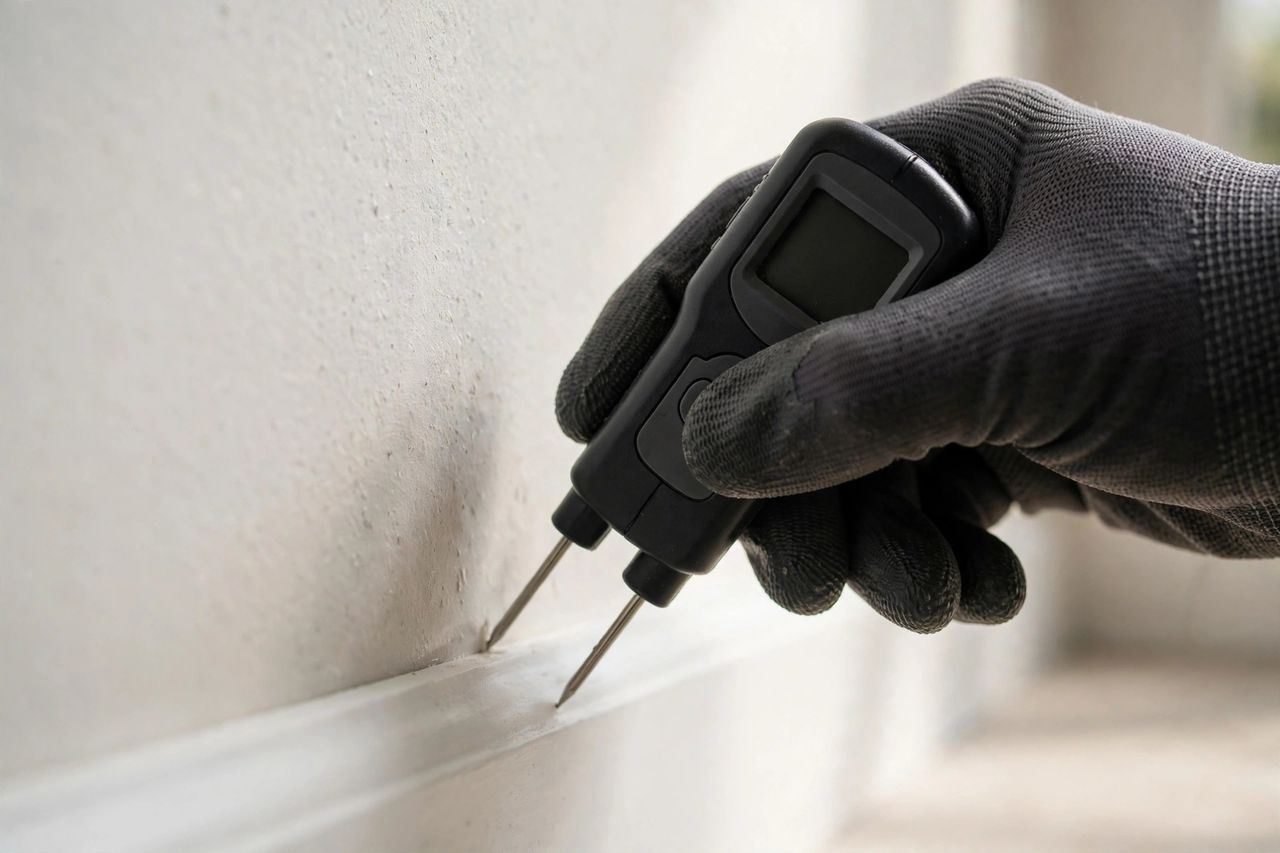
Where the backup started, when it happened, which rooms are affected, whether the source is active, and whether porous materials were contacted.
Contact Schertz Sewage Cleanup →Choose the closest match: emergency cleanup, sewage extraction, sewer-line backup cleanup, raw sewage removal, sanitation, odor removal, or restoration.
Compare sewage cleanup services →Photos from a safe location, dates, visible damage, a list of affected belongings, and notes from the plumber or utility can help organize next steps.
Read sewage backup FAQs →Whether the problem is a sewer line backup, toilet overflow, raw sewage spill, septic backup, standing contaminated water, persistent sewage odor, or moisture left after the event, the service pages on this site are organized around that specific situation. Start with the closest match, review the scope, and call (830) 293-2192 to discuss the property and the next step.
The goal is not to sell an unrelated plumbing service. The goal is to connect the property owner with the sewage cleanup service that actually fits the contamination event and affected materials.
Call (830) 293-2192Call the number below to discuss the situation and identify the most relevant service page.