Deer Haven
Schertz, Texas
Local sewage cleanup information for Deer Haven, with direct links to service-specific guidance, Schertz wastewater context, and practical steps after a sewage backup.
What should I do after a sewage backup in Deer Haven? Keep people and pets away from the wastewater — it can carry harmful bacteria, so do not wade through it or try to mop it up yourself. If you can do it safely, stop the source: close the toilet supply valve, and avoid running water or flushing while drains are backing up. Open windows for airflow and photograph every affected room before anything is moved. What decides the cleanup scope is how far the water traveled and what it touched — sewage on tile is a very different job than sewage under carpet, behind baseboards, or inside cabinets, and black water from a sewer line is handled more strictly than gray water from a fixture. Porous materials often have to be removed rather than cleaned, and hidden moisture under flooring is what turns a small backup into a bigger repair, so get a professional check even when the surface looks dry.
Deer Haven is a quieter, established neighborhood of single-family homes. With established homes, the most common culprits are aging fixtures, roots finding their way into older laterals, and floor drains that have not been tested in years — all of which reward a fast response.
Heavy rain can expose weaknesses in Deer Haven drainage too — infiltration through cracked laterals or overwhelmed floor drains shows up when the ground is saturated. What matters most is the contamination path — wastewater wicks under baseboards, seeps into subflooring, runs behind cabinets, and collects where you cannot see it.
The cleanup sequence for a Deer Haven property starts with containment and extraction, moves through cleaning and sanitizing, and finishes with structural drying — repairs come last, only after moisture readings confirm the framing is actually dry. If a sewage smell lingers afterward, treat it as evidence — odor means something contaminated is still present, and masking it with fragrance only hides the signal.
Each service page below tackles one slice of sewage cleanup for Deer Haven homes, so choose the closest match and you will get steps written for that exact situation. A single-fixture overflow and a whole-house sewer backup are different jobs with different priorities, and the pages reflect that.
In Deer Haven, a backup usually shows up as a toilet that will not drain, water rising in a shower or tub, a floor drain in the garage or laundry pushing water up, or a strong sewage odor near fixtures. The pattern tells you a lot: a single fixture acting up points to a local clog, while several fixtures backing up at once — especially the lowest drain in the home — usually means the main sewer line is blocked.
If water is still rising in Deer Haven, the plumber comes first to stop the source — cleanup cannot succeed while wastewater is still entering the home. Once wastewater has soaked into floors, walls, or cabinets, surface wiping is not enough — contaminated water needs extraction, thorough cleaning, sanitizing, and moisture verification.
Schertz, Texas
Extraction, cleanup, sanitation, odor, moisture, and restoration planning.
Call to discuss your cleanup situation
Before deep cleaning starts in a Deer Haven home, get the blockage diagnosed and cleared — sanitizing a floor that is about to flood again wastes the effort. Porous materials that absorbed sewage — carpet pad, drywall, insulation — are usually removed, while hard surfaces like tile can often be cleaned and disinfected.
The neighborhood name helps you land on the right page, but the cleanup itself depends on what happened at your property. In Deer Haven, the most useful starting point is to identify the source, the direction the wastewater traveled, and the materials it contacted. A toilet overflow, sewer-line backup, floor-drain backup, and septic event can each leave a different contamination trail, even when the visible mess looks similar.
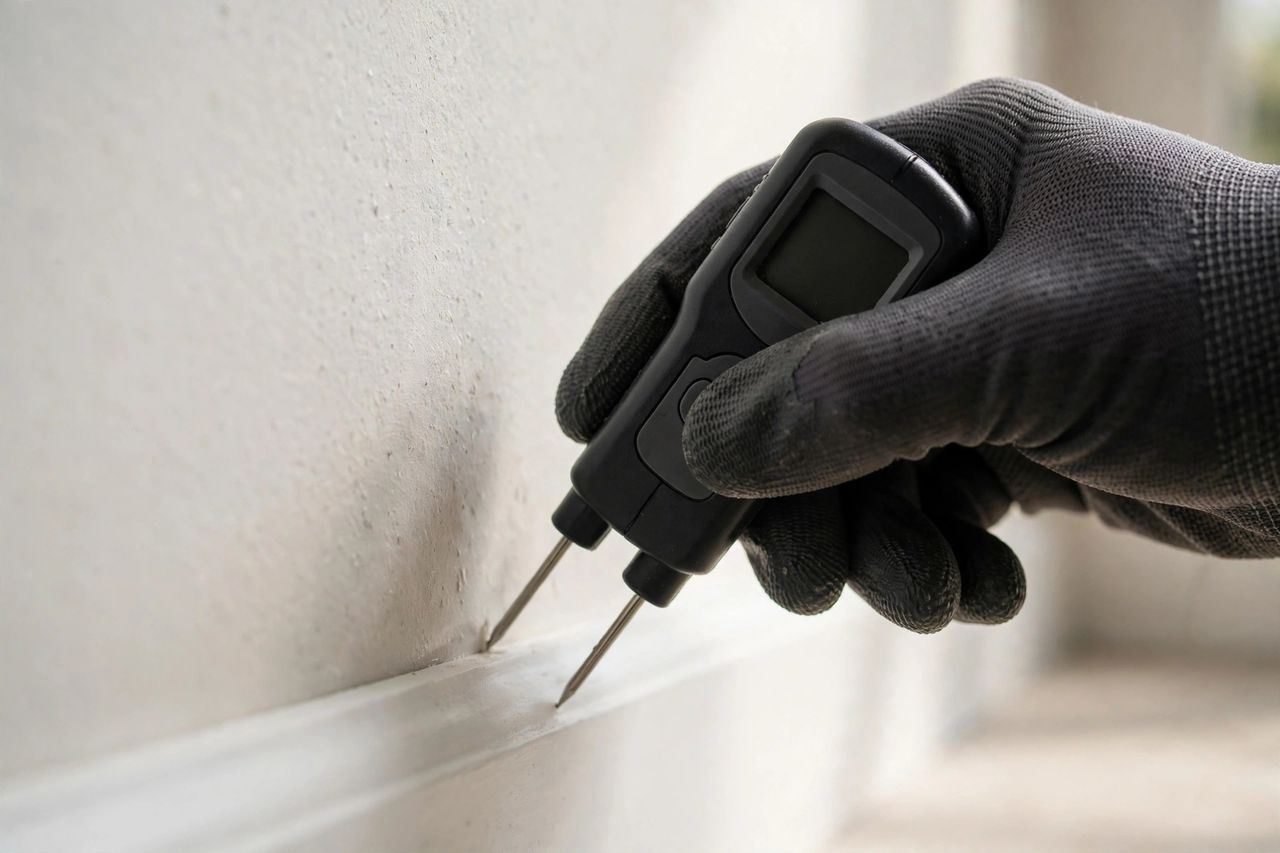
For Deer Haven homes, the middle of the job is the most technical — sanitizing requires the right product, the right concentration, and enough dwell time to actually work. Hidden moisture is the quiet threat — flooring, baseboards, subflooring, and wall cavities can hold water without looking wet, so every suspect area gets meter-checked.
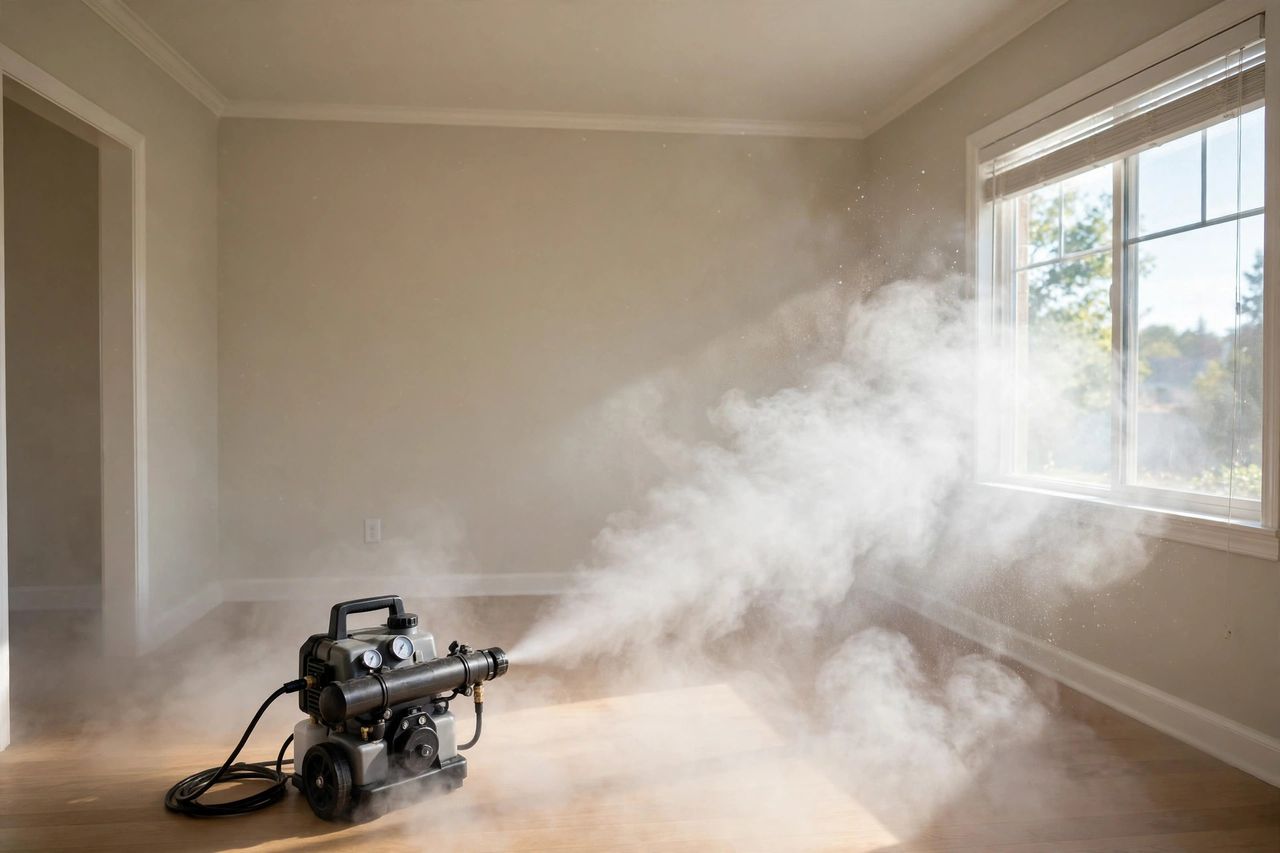
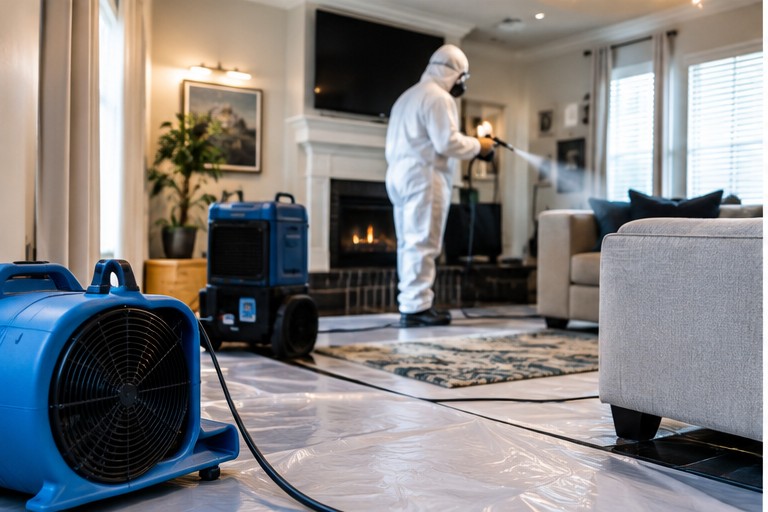
These images show the general types of conditions and equipment discussed on this page, not a specific completed job.
Call the local number to discuss the situation and identify the relevant service page.