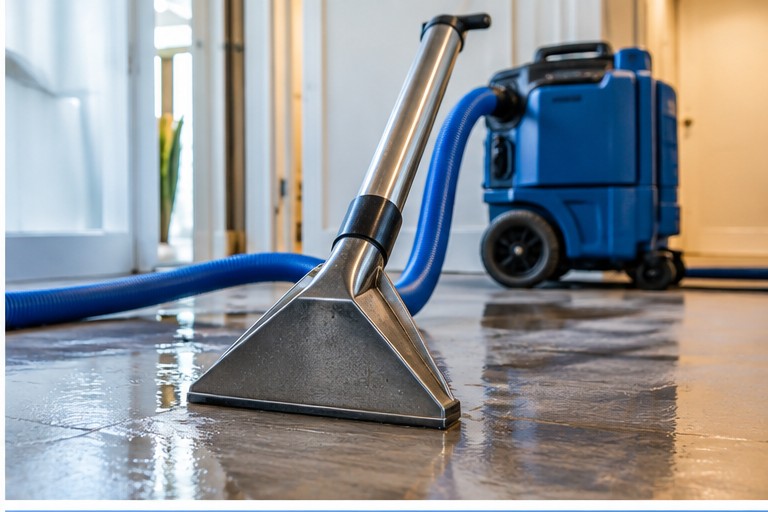
What is category 3 water damage cleanup? Category 3 water damage refers to grossly contaminated water conditions. Sewage backups are a common example. The cleanup strategy needs to account for contamination, porous materials, exposure time, and the potential for hidden moisture.
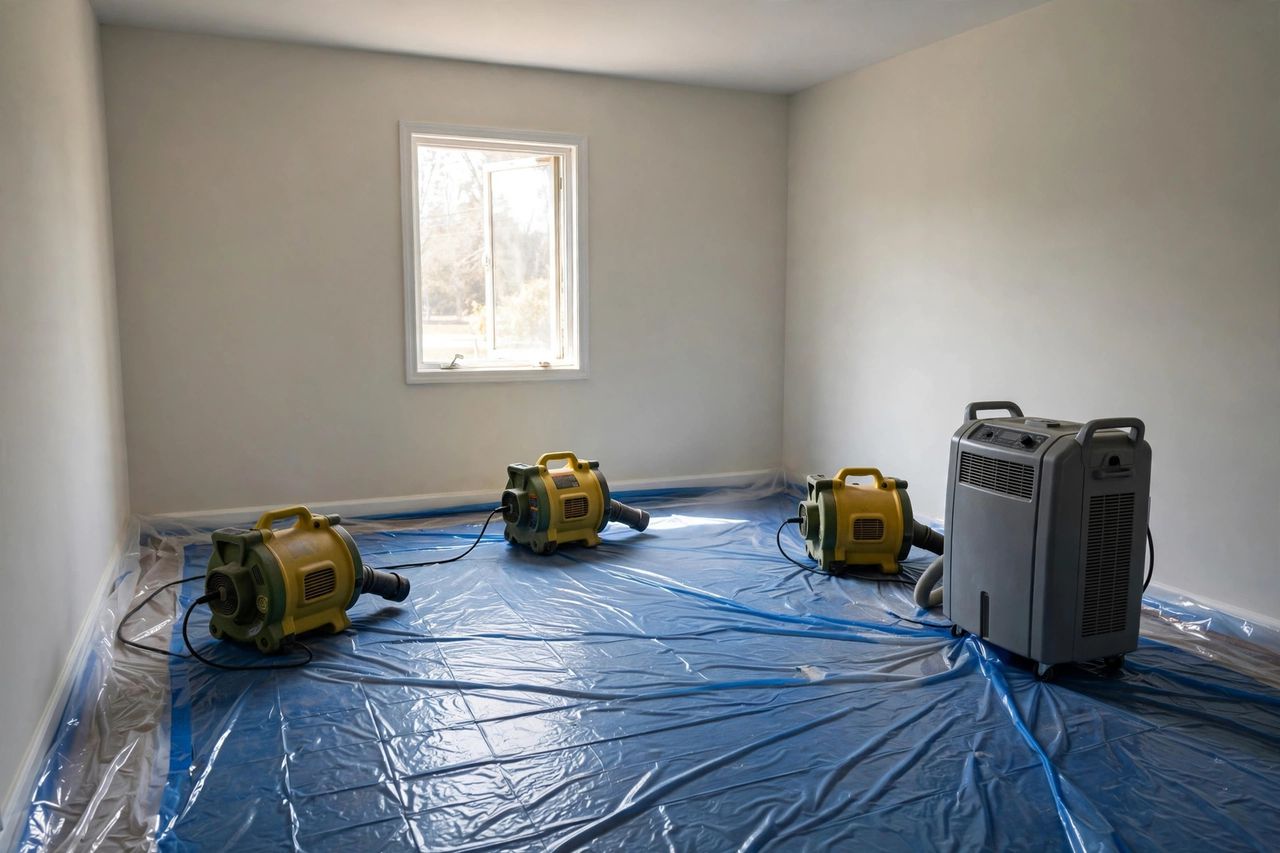
How category 3 water damage cleanup is approached
Category 3 water damage refers to grossly contaminated water conditions. Sewage backups are a common example. The cleanup strategy needs to account for contamination, porous materials, exposure time, and the potential for hidden moisture.
Category 3 is the industry's label for water that's grossly contaminated — and it doesn't take much to earn it. Sewage backup, toilet bowl overflow with waste, septic effluent, or floodwater that contacted the ground all qualify. Time matters more here than with cleaner water: the longer Category 3 water sits, the deeper it penetrates porous materials and the harder the cleanup gets. Fast bulk removal followed by aggressive assessment is the whole game.
Conditions that determine the cleanup scope
The scope depends on the contamination source, the exposure time, which porous materials were contacted, and where moisture remains hidden. Because Category 3 water is treated as contaminated throughout, the assessment concentrates on the full contamination path and on materials that absorbed water, not just on standing water.
Typical cleanup sequence
Assess the source and contamination path
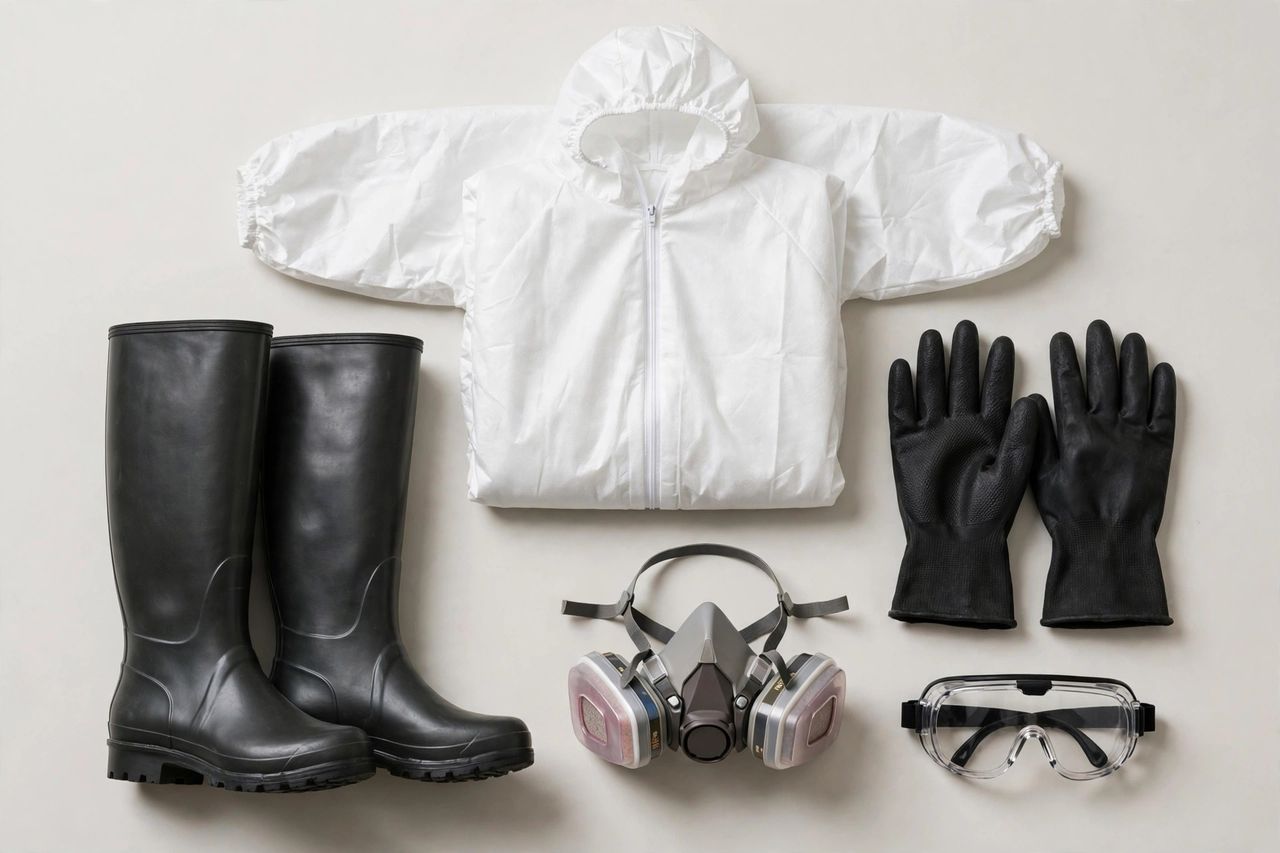
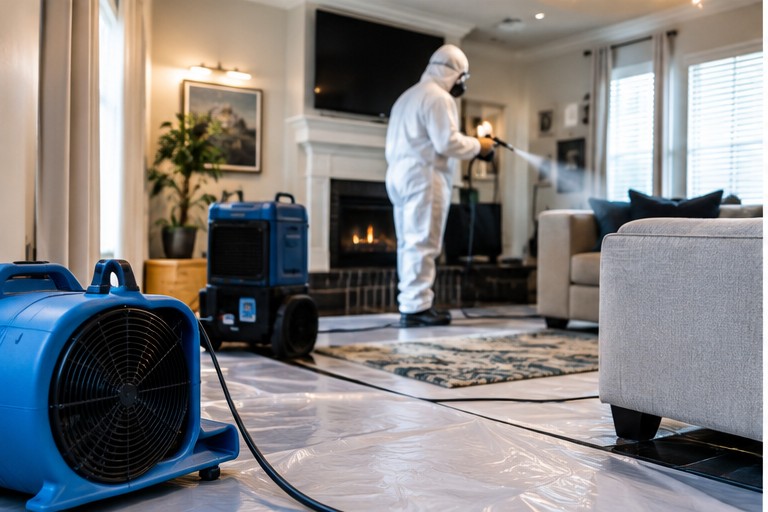
Control the affected area and reduce unnecessary exposure
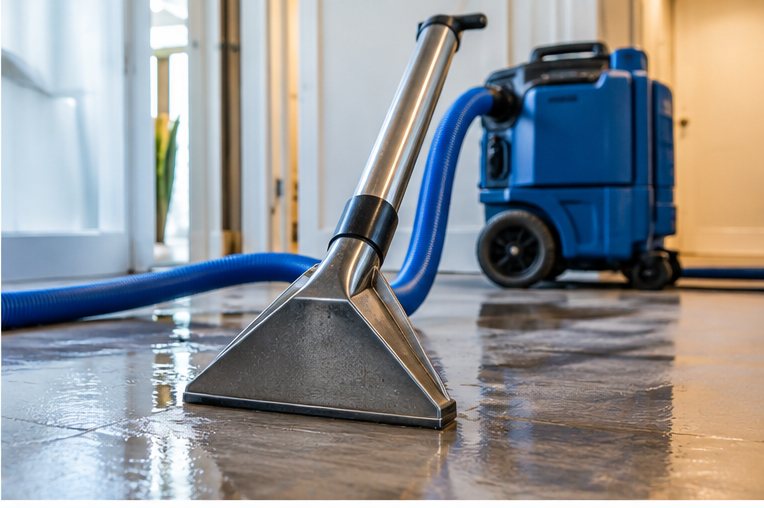
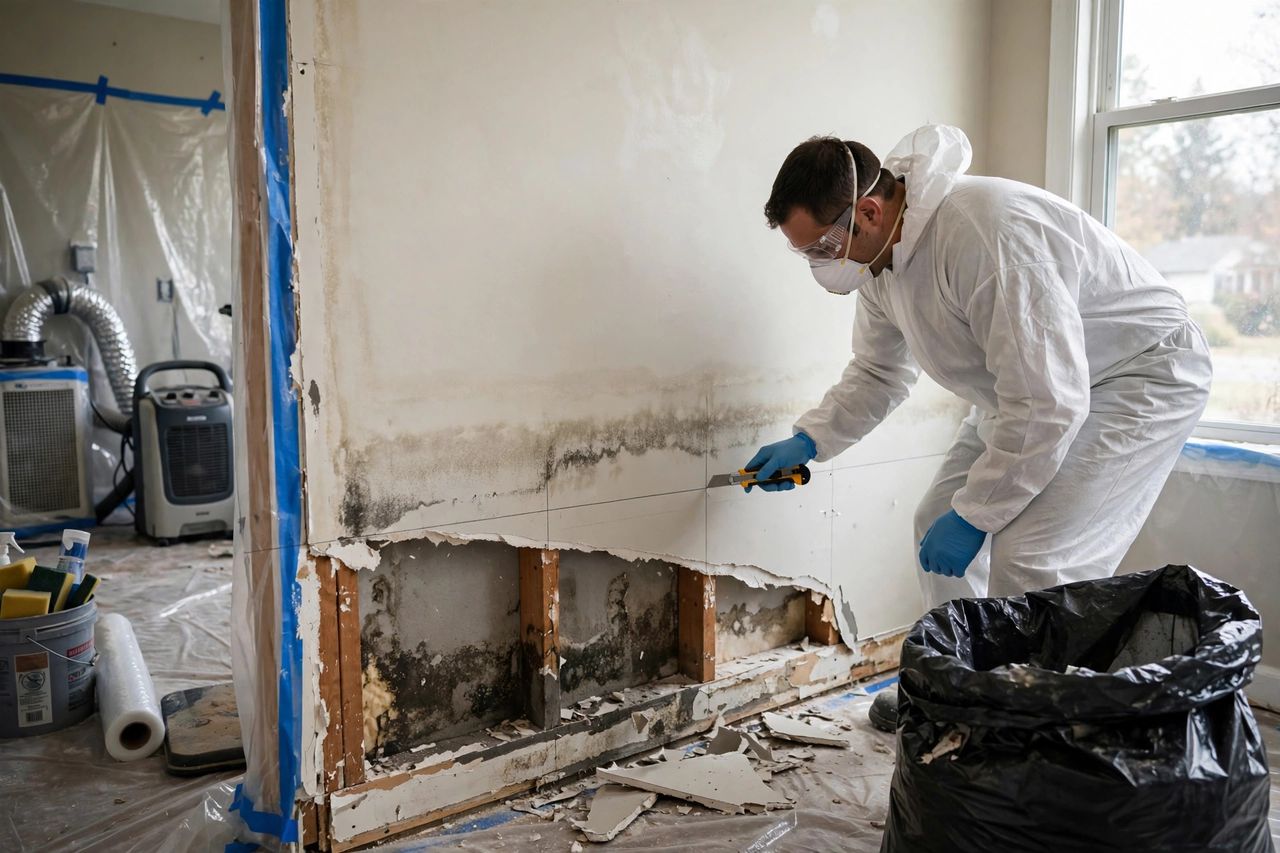
Remove wastewater and contaminated materials where appropriate
Physically clean affected surfaces and contents that can be retained
Dry and monitor affected areas for remaining moisture
Address odor, microbial growth, repairs, and restoration needs
Materials that may be affected
Category 3 water writes off porous materials on contact: carpet, pad, drywall, insulation, upholstery, mattresses, particleboard, and paper goods. Even materials that look okay after surface cleaning can harbor contamination in their pores. The standard is simple — if it's porous and Category 3 water touched it, it goes. Structural wood and concrete can sometimes be cleaned, dried, and disinfected if the exposure was brief.
What to do before cleanup
- Keep everyone clear of standing wastewater during Category 3 Water Damage Cleanup work.
- Never combine bleach with other household cleaners— mixing products can create toxic gases.
- Avoid circulating air through the affected area— airborne droplets carry contamination to clean rooms.
- Document the affected areas with photos— it helps scope the Category 3 Water Damage Cleanup work.
- Check if wastewater is still entering the home; a plumber, septic tech, or the utility may still be needed.
What not to assume
For Category 3 Water Damage Cleanup in Schertz, appearance is a poor judge: sewage can leave biological contamination on materials that look perfectly dry. The call on each material weighs contamination level, porosity, and whether it can truly be cleaned — not just how it looks.
Schertz context
In Schertz, Category 3 events are usually sewer lateral backups or septic failures, sometimes compounded by heavy rain overwhelming older lines. The City of Schertz's wastewater information links sewer blockages to improper disposal and identifies CCMA as the regional wastewater provider for public-system issues.
Questions people ask about category 3 water damage cleanup
What is category 3 water damage cleanup?
Category 3 is the term used for grossly contaminated water — water that may carry pathogens or harmful material — and sewage backups are the most common example. Cleanup therefore treats the water as contaminated from the start: exposure control, removal of contaminated materials where appropriate, cleaning, sanitation, and drying. The exact scope depends on the source, materials affected, and moisture conditions.
When is category 3 water damage cleanup needed?
It is needed whenever the water is sewage or is otherwise grossly contaminated — sewer backups, toilet overflows carrying waste, wastewater mixed with soil, or water that has passed through contaminated materials. Because Category 3 water is handled as unsafe, porous materials it contacts generally need removal rather than cleaning.
Can the visible water be the whole problem?
Usually not. Category 3 assessment is about the contamination boundary, not just the waterline — the water can wick into drywall, migrate under flooring, and settle in low or hidden areas. Materials that only look damp may already have absorbed contaminated water, so the scope is set by inspection, not by what is visible.
What should happen before deodorizing?
Complete the contamination work first: remove the water, clean soils and residues, remove or clean affected materials, and verify drying. Deodorizing products do not remove contamination, and with Category 3 water the odor source is typically a residue, material, or hidden moisture problem that has to be resolved directly.
What if the backup appears to be a public sewer problem?
If the backup appears to come from a public sewer line rather than private plumbing, contact the appropriate municipal or utility authority — the City of Schertz identifies CCMA as the regional wastewater provider — while also addressing the contamination on the property. Cleanup and utility diagnosis are related but separate tasks.